



Estimated reading time: 8 minutes
Key points:
- On 12 June the US government forced Anthropic to pull two of its most powerful models offline for anyone without a US passport. Three days after launch.
- Tech outlet Sifted called this a digital “kill switch”: the first time the US used one on a commercial AI model.
- Europe is responding with money and factories: Swiss company Prem is raising 100 million dollars, Foxconn and Nvidia are building AI infrastructure in France, and European demand for sovereign cloud is set to triple by 2027 (Gartner).
- For SMEs the lesson is not to drop American AI, but to know what you lean on and to make sure you can switch.
- Three steps without a big budget: map your dependency, build for interchangeability, and put sensitive data on a local or European model.
Table of contents
- What happened on 12 June
- Why this is a wake-up call for Europe
- The response: money and factories flow to sovereign AI
- What this means for businesses
- What you can do now
- How we can help
- Frequently asked questions
- Sources
For most business owners, the news of 12 June passed by in the noise. Yet it is one of those moments you later point to as a turning point. Not because one model went offline for a while, but because of what it exposed: how many European organisations run on AI whose plug sits in Washington.
Below you can read what exactly happened, how Europe is responding, and what that concretely means for your organisation.
What happened on 12 June
The US government said it was aware of a way for people to gain access to its best (and most dangerous) model “Mythos”. It gave no details. The order was broad: no access for foreigners, including Anthropic staff without a US passport.
Anthropic followed the law but filed a public objection. The company called it a narrow, possible vulnerability that was no reason to withdraw a model used by hundreds of millions of people. Because it could not determine who counted as a “foreigner” in shared cloud infrastructure, it took both models offline worldwide. US users lost access too. The models had launched just three days earlier.
Why this is a wake-up call for Europe
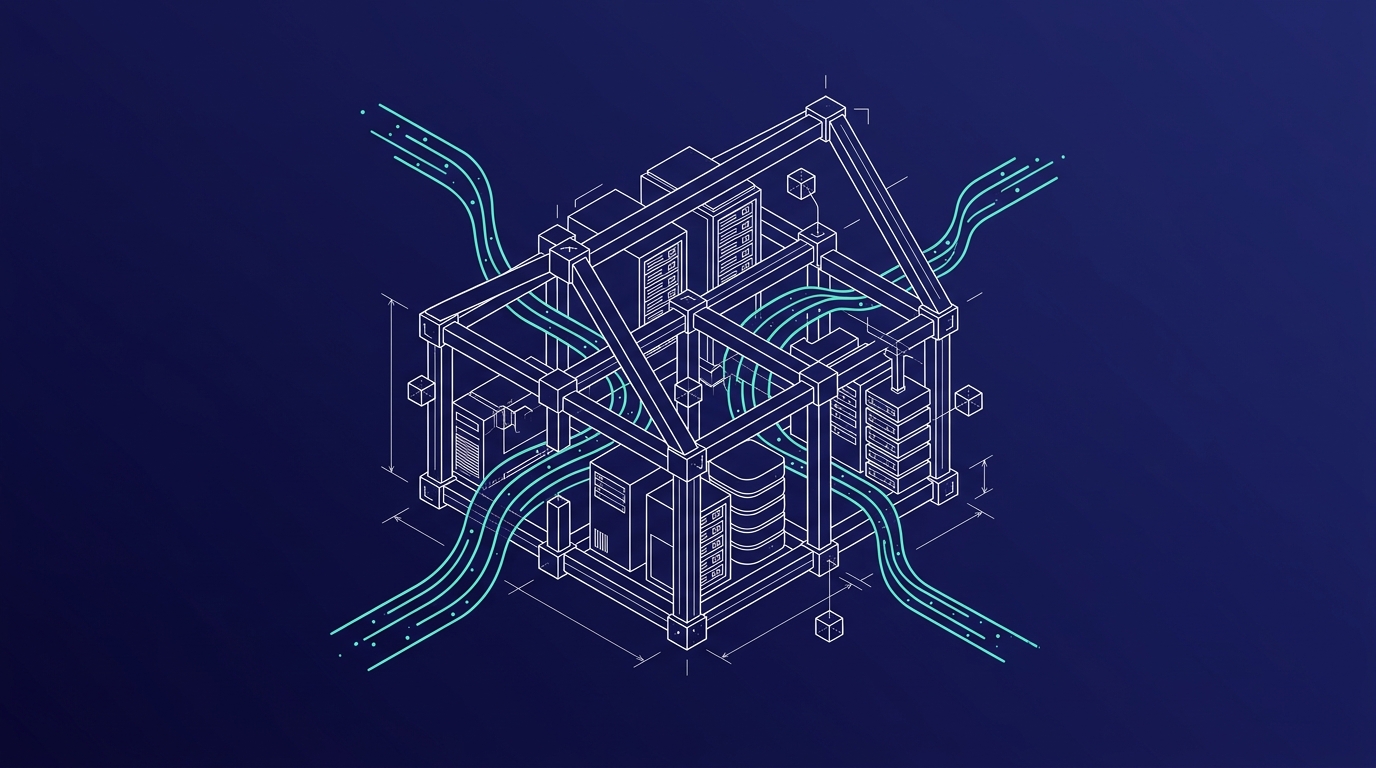
Imagine you build a house and the council can shut off the water at any moment, without explanation, even if you did nothing wrong. You start thinking about your own well. That is what happened here, only on a completely different scale.
Over the past few years many European companies have built their processes on top of American AI. Customer service, legal analysis, software, marketing. As long as access is simply there, that dependency does not feel like a risk. Until one day it isn't. Uljan Sharka, founder of Italian AI company Domyn, told Sifted the block was an opportunity: it forces organisations to look honestly at exactly what they lean on.
The French government drew a conclusion immediately. Prime Minister Sébastien Lecornu announced that the intelligence service DGSI is ending a decades-long contract with American firm Palantir and switching to French company ChapsVision. His stated reason: build real autonomy and avoid depending on a party that can cut off access.

The response: money and factories flow to sovereign AI
What stands out is how quickly the money is moving in that direction.
Swiss company Prem is currently raising a funding round of at least 100 million dollars, at a valuation of at least 500 million. The company builds AI that organisations can run on their own infrastructure. In about two years its valuation has more than doubled.
That is no exception. According to market researcher Gartner, around 80 billion dollars will flow through sovereign cloud worldwide in 2026. European spending on it grows, per the same firm, from 6.7 billion in 2025 to 23.1 billion in 2027. Almost a tripling in two years.
In France it becomes tangible. At the VivaTech trade fair in Paris, this year with more than 200,000 visitors, Foxconn and French company Bull announced they will build AI servers in Europe together, with final assembly in Angers. Nvidia and Mistral jointly launched “Mistral Compute”, a sovereign AI platform. Mistral also raised 830 million dollars for its own data centre near Paris. Foxconn chief James Wu summed up why France is attractive: cheap nuclear power, a strong talent pool, and political backing. Europe talked about digital sovereignty for years.
One export order put it into gear.
What this means for businesses
Now the nuance, because it is easy to draw the wrong lesson from this news.
Many people read this as: stop using American AI. That is too blunt. Those models are the best available for now, and for most work a short interruption is no disaster. Panic is a poor advisor.
What you should take from it: know what you lean on. Most SMEs have no clear picture of which part of their work now runs through which external model. As long as it works, no one looks at it. That is how a supplier becomes a single point of failure without anyone deciding it.
You don't need to build your own data centre for that. You do need an overview: which processes run on AI, which model sits underneath, and what happens to your work if that model disappears for a week tomorrow.
For most tasks the answer is “annoying, but manageable”. For some it is “then our service grinds to a halt”. That distinction is one you want to know before it presents itself, not after.

What you can do now
Three steps that don't require a big budget.
-
First, map your dependency. Make a simple list of your AI processes and which model sits underneath each. Not a report, just an overview.
-
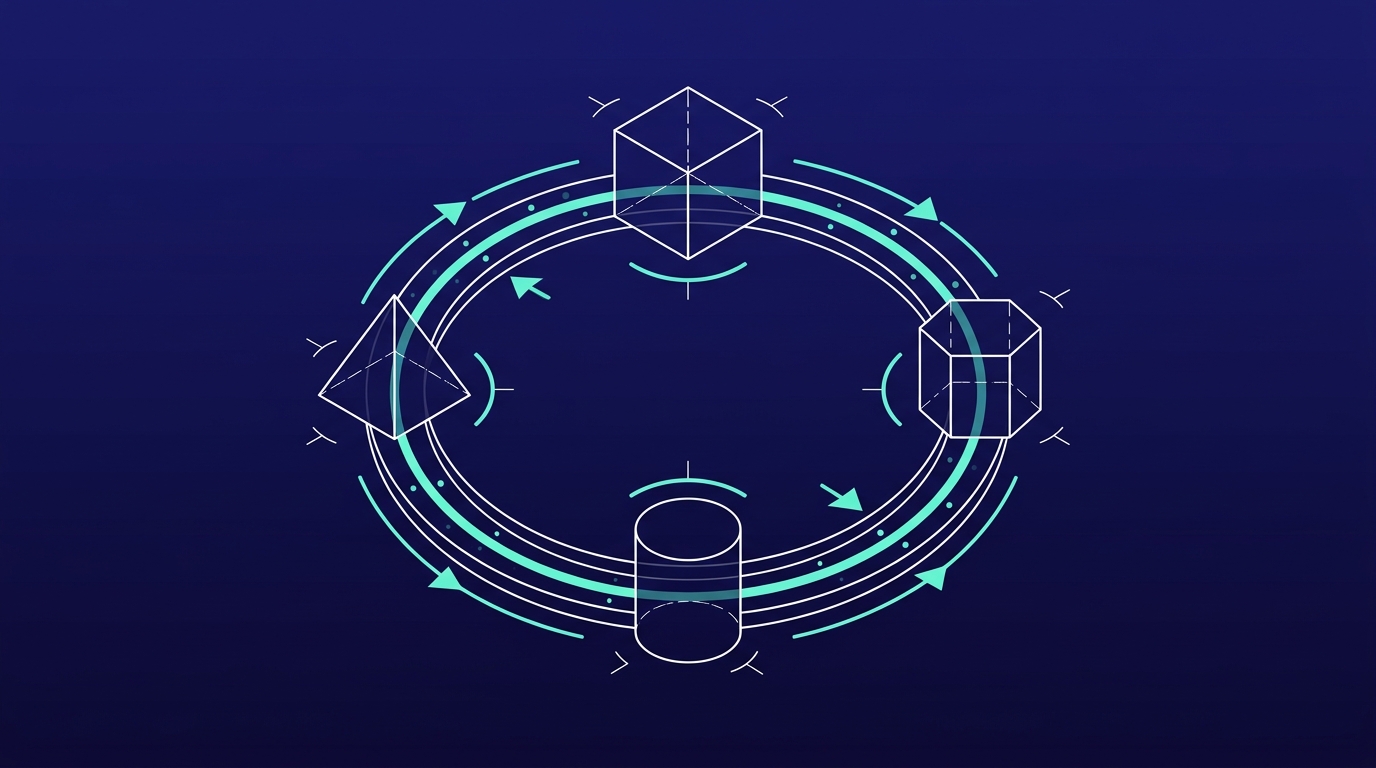
Then build for interchangeability. The value of an AI system rarely sits in the model itself, but in the structure around it: your data, your instructions, your workflow. Set that up well and you can switch models without starting over. The model is the kitchen; the foundation underneath is what stays standing when you replace the kitchen.
-
Finally, check per process whether it is sensitive enough to run locally or on a European model. For a marketing text it makes no difference. For customer data or legal files that don't need to cross the Atlantic, an open model under your own control can be the difference between drifting with foreign policy and steering yourself.
We worked through that trade-off earlier in Open source AI: keeping your data in house. On top of that comes the EU AI Act, which for some use cases requires you to know where your data goes anyway.
How we can help
Sovereignty sounds like a topic for governments and billion-euro investments. For an SME it is smaller and more concrete: knowing what you run on, and making sure you can switch.
We map that out: which processes run on which model, where your risk sits, and which tasks belong on a local or European model. We set up your AI systems so the model is interchangeable, so an outage or price hike at one supplier doesn't bring you to a standstill. If you want to know what your organisation leans on and how to build it so you can switch, we're happy to think it through with you.
Frequently asked questions
What is sovereign AI?
Sovereign AI is about AI that you or your own region keep control over: where the model runs, where your data sits, and who can cut off access. The opposite is full dependence on a foreign supplier that can change its terms or access unilaterally.
Should I stop using ChatGPT or Claude now?
No. Those models are the strongest available for now, and for most work a short interruption is no disaster. The point is not to stop, but to know which processes lean on which model and to make sure you can switch.
How do I know which AI my company depends on?
Make a list of your AI processes and the model that sits underneath each. Often it turns out that a few core tasks run on a single external supplier, without that ever being a conscious choice. That overview is the first step.
Is a European or open model just as good?
For a lot of work you notice no difference. On the hardest tasks the best closed models are sometimes still a step ahead. The advantage of an open or European model is control over your data, not the highest score. For sensitive data that often weighs more heavily.
What does the EU AI Act have to do with this?
The EU AI Act sets requirements for some use cases on transparency and on where your data ends up. Anyone who already knows which processes run on which model stands stronger when those rules start to bite.
Sources
-
SiliconAngle, Prem seeks $100M Series A as export bans boost sovereign AI demand (https://siliconangle.com/2026/06/18/prem-seeks-100m-series-export-bans-boost-sovereign-ai-demand/)
-
Euronews, From Foxconn to Nvidia: Why France is so attractive for Europe’s AI infrastructure (https://www.euronews.com/next/2026/06/18/from-foxconn-to-nvidia-why-france-is-so-attractive-for-europes-ai-infrastructure)
-
Sifted, ‘This will unveil the ground truth’: Why the Anthropic ban could benefit European AI (https://sifted.eu/articles/anthropic-ban-domyn-uljan-sharka/)
-
Sifted, America has hit the AI kill switch. How should Europe respond? (https://sifted.eu/articles/anthropic-kill-switch-european-sovereignty/)
Ready to transform your organization with AI?
Discover how we can help you with AI workflow automation.
Get in Touch