



Estimated reading time: 3 minutes
Key points:
- Claude Code immediately increases the productivity of SME developers.
- Costs of Claude models vary; the exact model choice affects the price.
- Prompt caching can save up to 90% on repetition costs.
- Multi-tenant AI requires careful data isolation to guarantee performance.
Table of contents
- Why cost and complexity shape the choice for AI solutions
- Cost management when deploying AI: what you need to know
- Minimising operational complexity in multi-tenant environments
- The role of data isolation in trusted AI solutions
- Making a choice: how to move forward?
- Frequently asked questions
Why cost and complexity shape the choice for AI solutions
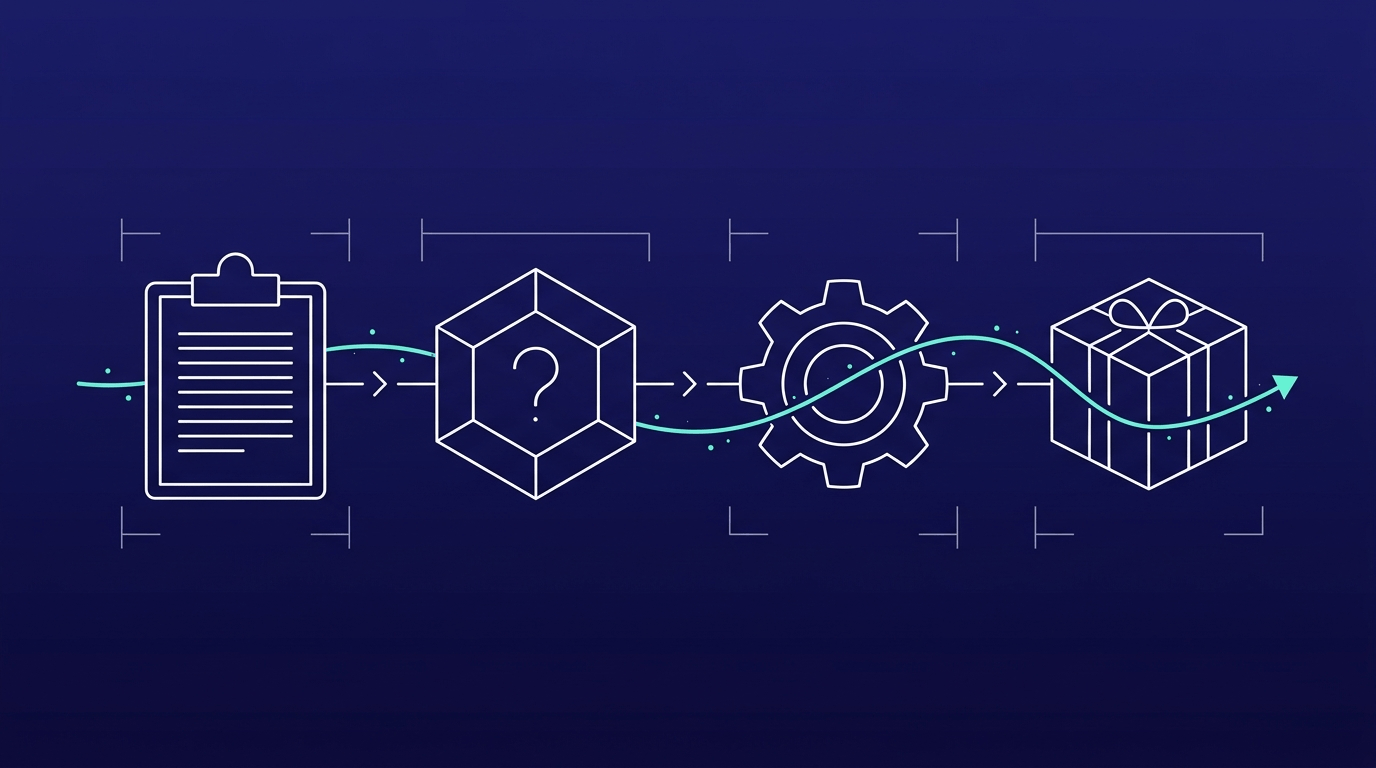
AI technology offers enormous possibilities, but for SME entrepreneurs the choice goes beyond what looks good on paper. They face a crucial decision: directly boost productivity with Claude Code, or use the more advanced but complex Claude Agent SDK. That decision is shaped heavily by cost management and operational complexity, especially for companies serving customers in a multi-tenant environment. It determines how AI services are delivered and how costs can be allocated efficiently.
Cost management when deploying AI: what you need to know
Claude's token-based pricing model presents SME entrepreneurs with challenges. The pricing of Claude Haiku 4.5 requires precise cost allocation and management, with $1.00 per million input tokens and $5.00 per million output tokens. Smart techniques like prompt caching can save up to 90% on repetition costs, and the Batch API offers further savings for non-time-critical workloads. To minimise wasted spend, it pays to plan carefully and use the right pricing model for the right job.
Minimising operational complexity in multi-tenant environments
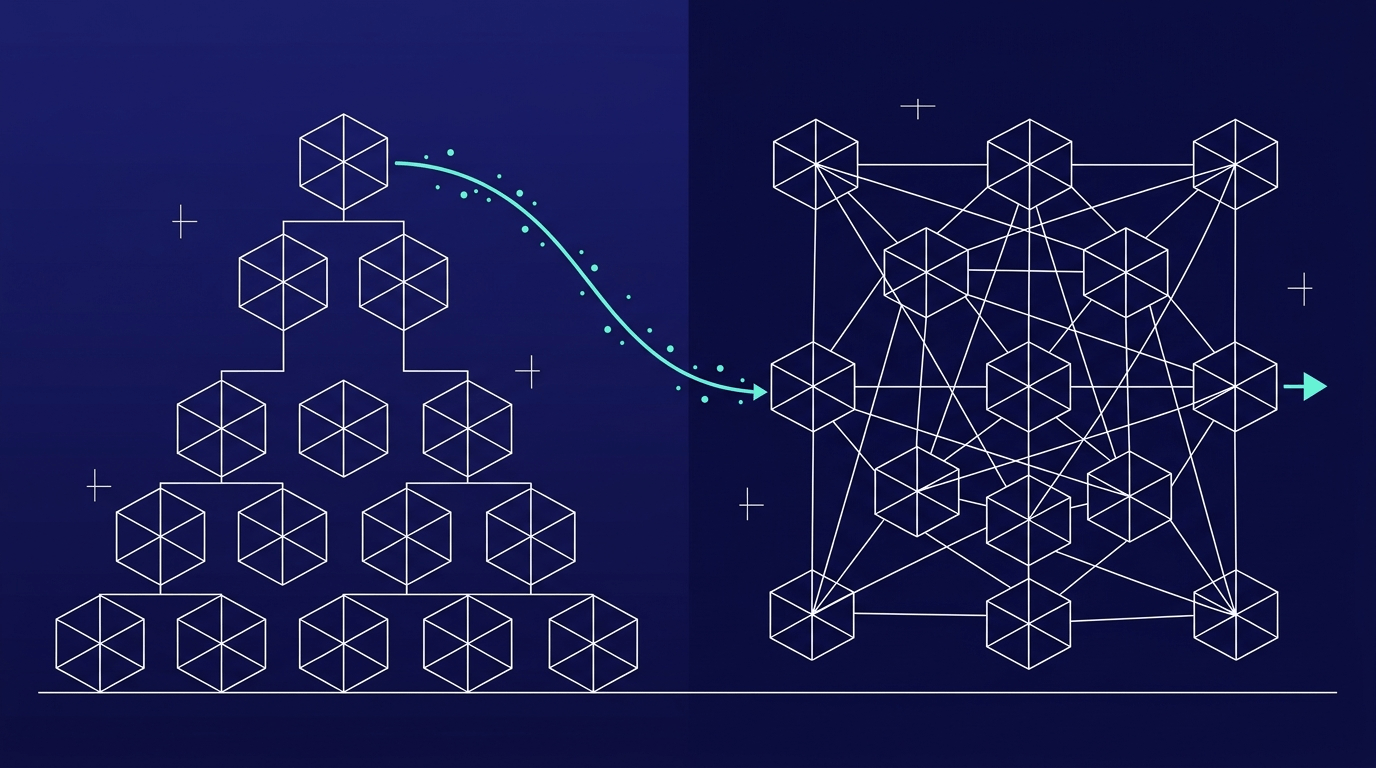
Introducing AI solutions in multi-tenant environments brings challenges around scalability and data management. It is critical to isolate data and performance within shared systems so that one user cannot degrade the experience of others (the "noisy neighbour" problem). Using techniques like containerisation and microservices, as described in this thorough guide to multi-tenant AI systems, helps streamline operations.

The role of data isolation in trusted AI solutions
Enforcing strict data isolation is crucial to building customer trust in multi-tenant AI systems. The Claude Agent SDK, for instance, offers robust patterns that enable full resource isolation and protect against security risks between tenants. By choosing the right architecture, organisations can guarantee not only privacy but also consistent performance for every customer.
Making a choice: how to move forward?
For SME entrepreneurs there is no one-size-fits-all answer. The choice between Claude Code and Claude Agent SDK depends on the specific objectives, available resources, and operational context. Whether the focus is on quick productivity gains or more advanced multi-tenant deployments, careful preparation is essential. We are happy to help analyse your business needs and pick the right Claude solution.
Frequently asked questions
What are the main differences between Claude Code and Claude Agent SDK?
Claude Code is aimed at boosting developer productivity in straightforward scenarios. Claude Agent SDK is more advanced and supports complex multi-tenant deployments with stricter isolation and orchestration.
How does prompt caching help reduce costs?
Prompt caching can cut repetition costs by up to 90% by re-using previously processed prompt content, which is especially valuable in high-volume multi-tenant workloads.
Why is data isolation important in multi-tenant AI?
Data isolation guarantees that each tenant's data, performance and security stay separated. It is what makes multi-tenant AI trustworthy for customers and compliant with privacy and security expectations.
Ready to transform your organization with AI?
Discover how we can help you with AI workflow automation.
Get in Touch